Understanding How to Select the Best Siding Option
Your home’s exterior not only protects you from the elements but also showcases your style. Choosing the right siding material is crucial for both durability and aesthetics. With numerous options available, understanding the key factors that influence your decision can help ensure long-term satisfaction. This guide will explore different materials, their benefits, challenges, and how to make an informed choice.
Diverse Siding Materials and Their Benefits
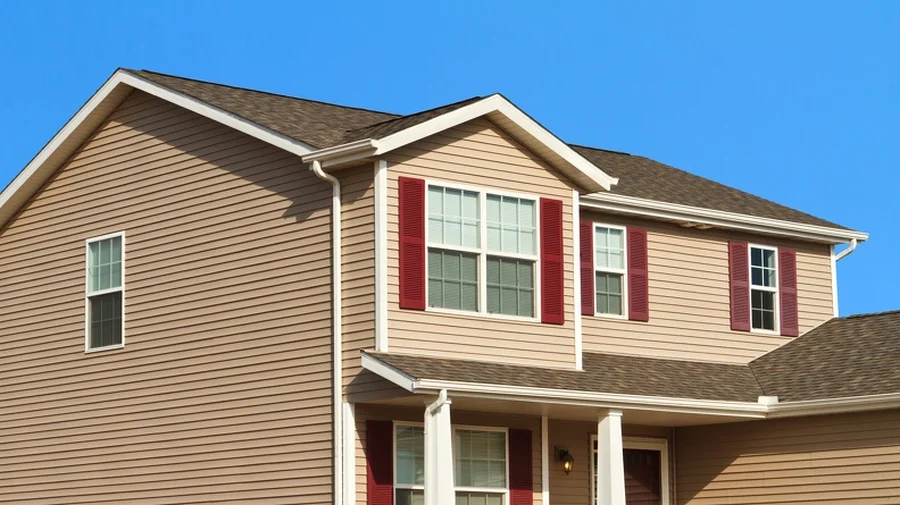
Siding materials vary widely in terms of appearance, cost, and maintenance requirements. Popular choices include vinyl, wood, fiber cement, and metal. Each comes with its own set of advantages. Vinyl siding, for instance, is affordable and low-maintenance. Wood offers a classic look but requires more upkeep. Fiber cement is durable and fire-resistant, while metal provides a sleek appearance with excellent durability.
The Role of Budget in Siding Selection
Budget is often a deciding factor when selecting a siding material. While some materials may have a higher upfront cost, they might offer savings in the long term due to reduced maintenance needs or energy efficiency. For example, fiber cement tends to be pricier than vinyl, but its longevity and resistance to pests and weather can make it a cost-effective choice over time.
Maintenance Considerations for Different Sidings
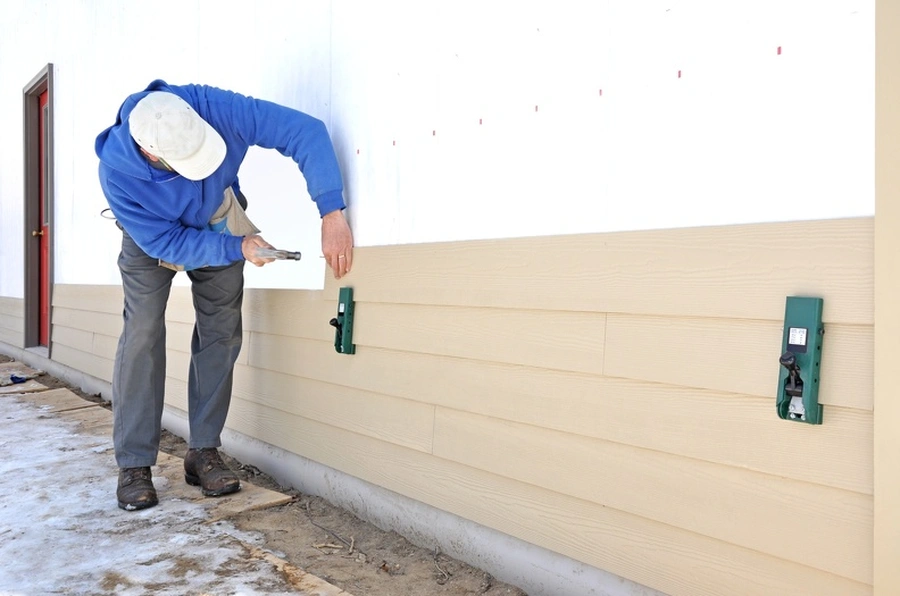
The amount of maintenance required varies significantly between materials. Vinyl siding installation typically involves less upkeep compared to wood, which must be regularly painted or stained to prevent rot and insect damage. Metal siding may need occasional washing to maintain its appearance, while fiber cement usually requires little more than periodic cleaning.
Aesthetic Appeal and Design Flexibility
The aesthetic appeal of your home plays a significant role in your siding selection. Some materials offer greater design flexibility. Wood siding allows for various stains and paints to match your specific vision. Fiber cement can mimic wood’s look without the maintenance hassle. These options enable homeowners to achieve desired styles while balancing practicality.
- Vinyl: Cost-effective, low-maintenance
- Wood: Classic look, high upkeep
- Fiber Cement: Durable, resistant to fire and pests
- Metal: Sleek finish, robust durability
Environmental Impact of Siding Choices
Environmental considerations are increasingly influencing homeowner decisions. Some siding materials are more eco-friendly than others. For example, fiber cement siding installation minimizes environmental impact as it contains sustainable resources like sand and recycled materials. Similarly, metal siding can often be recycled at the end of its life cycle.
Expert Tips for Making the Right Choice
Selecting the right material involves considering climate conditions and personal preferences alongside budget constraints. Experts recommend evaluating local weather patterns, such as humidity and temperature fluctuations, to choose siding that withstands these challenges effectively. Consulting with professionals can provide insights into the best practices for your region.
Long-Term Value and Return on Investment
Considering long-term value is vital when investing in siding. Materials like fiber cement or metal might command higher initial investments but typically offer better returns through durability and reduced maintenance costs. Homeowners should weigh immediate expenses against potential long-term savings to determine the most financially beneficial option.
Conclusion and Next Steps for Your Project
Choosing the right material for your siding needs involves weighing several factors such as cost, maintenance, appearance, and environmental impact. To ensure a successful project outcome, consulting with experts is advised. Located in Portland, ME, we assist homeowners with siding projects tailored to their unique circumstances. Contact us at (978) 519-9774 today to discuss your options further. Let LR Sunrise Construction guide you in enhancing your home’s exterior efficiently.